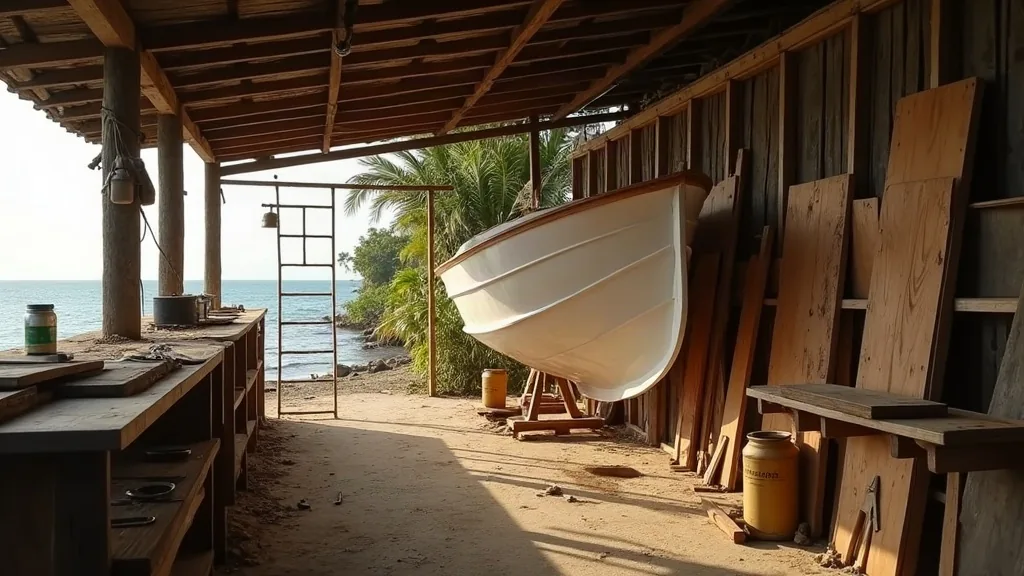
This Lombok boat builder FAQ answers typical questions on costs, build duration, materials, class options, documentation, payment security, delivery, and warranty. New-build projects are contracted through our Indonesian corporate entities, priced in USD, and scheduled around monsoon seasons. Every answer below is indicative and subject to a detailed specification, survey, and formal written offer.
General project and yard questions
Where are your boat building and refit activities based?
Construction, repair and refit work is carried out in Lombok, West Nusa Tenggara, Indonesia, under PT Komodo Galangan Nusantara. Hull and major structure are typically completed in Lombok yards with sea trials in nearby waters such as Teluk Nara, Bangsal or Senggigi, depending on the vessel type and draft requirements.
Which company signs my contract for a new-build vessel?
For hull construction, repair, refit and vessel sale, your counterparty is PT Komodo Galangan Nusantara. For ongoing vessel operation and crewing, boat-management contracts are issued by PT Komodo Vessel Management. Brokerage, central agency and charter marketing are handled by PT Komodo Bahari Nusantara under separate agreements.
What types of vessels do you typically work on in Lombok?
Typical projects include wooden pinisi-style liveaboards, composite dayboats, aluminium workboats, and refits of existing steel or timber vessels. Passenger boats serving Gili Trawangan, Gili Meno, Gili Air, Labuan Bajo and similar routes can be engineered for Kemenhub passenger approval, subject to route, speed and loading requirements.
Cost, budgeting and quotations
How much does it cost to build a boat in Lombok?
Indicative new-build budgets in Lombok range from low six-figure USD for simple open workboats up to multi-million USD projects for fully fitted liveaboards. Final cost depends on length, beam, hull material, machinery, hotel load, passenger capacity and class. A structured indication is provided after a written brief and is formalised in a detailed quotation and specification.
What information do you need to give a cost indication?
To estimate a new-build, we need target LOA and beam, hull material preference, intended service (private, charter, passenger transport), cruising speed, cabin count, crew requirements, and target region of operation. If you already have drawings, GA or stability data, sharing them allows tighter costing before issuing any formal price and specification proposal.
How are payment terms usually structured and secured?
Payments are staged against milestones, typically including contract signing, keel or hull start, hull completion, launch, sea trial, and handover. Each milestone is linked to defined physical progress. Funds are paid in USD to the relevant PT entity. Oversight, reporting and optional third-party supervision are described in our dedicated contract and payment supervision guidelines.
Timeline, seasons and build phases
How long does a typical new-build project in Lombok take?
Indicative build timelines range from around 8–10 months for simpler workboats up to 18–30 months for complex, classed liveaboards. Duration is driven by design maturity, material choice, machinery lead times, interior complexity and regulatory approvals. Weather patterns, especially monsoon seasons, also influence launch and sea trial scheduling.
How does the monsoon affect boat building in Lombok?
Hull and interior work continue year-round under cover, but launch, inclining experiments and sea trials are scheduled around sea conditions and local harbour constraints. Heavy weather windows, swell and local Syahbandar guidance may impact timing. When planning with our step-by-step build process and timeline, we factor in realistic float for monsoon-related delays.
| Build Stage | Indicative Share of Total Duration (%) | Key Dependencies |
|---|---|---|
| Design & engineering | 10–20% | Owner decisions, class/regulator inputs |
| Hull & structure | 25–35% | Material supply, yard access, welding/carpentry crews |
| Machinery & systems | 20–25% | Engine/gearbox lead time, electrical design |
| Interior & outfitting | 20–25% | Joinery detail, owner variations |
| Trials & documentation | 5–10% | Weather window, surveyor and Syahbandar availability |
Materials, structure and class
Which hull materials are commonly used in Lombok boat yards?
Common choices are traditional timber (ulin, bengkirai and other selected hardwoods), steel, aluminium and composite (usually fibreglass with polyester or epoxy resin). Selection depends on intended trade, maintenance culture, budget and desired lifespan. Each material has implications for scantlings, coating systems and survey regimes in Indonesian waters.
Can you build to class or for Kemenhub passenger approval?
Projects can be engineered to meet specified rule sets where required by the owner or route. Indonesian operators often need to align with Kemenhub passenger regulations and local Syahbandar requirements. For more technical detail on rule choices, structural scantlings and stability expectations, see our overview on class and certification considerations.
| Material | Typical Use Case | Key Considerations |
|---|---|---|
| Timber | Traditional liveaboards, pinisi, day boats | Skilled carpentry, periodic caulking, moisture management |
| Steel | Workboats, small ferries, expedition hulls | Coating integrity, corrosion control, weight control |
| Aluminium | Fast craft, tenders, light workboats | Welding expertise, fatigue design, insulation |
| Composite (GRP) | Production-style hulls, sport boats | Mould tooling, laminate schedule, fire behaviour |
Legal documents, flag and approvals
Which Indonesian documents are usually involved at delivery?
Depending on flag and size, Indonesian-operated vessels typically require Surat Ukur, Gross Akte or Pas Besar, plus port clearance and safety documentation from the local Syahbandar. Exact document sets depend on whether the vessel trades domestically, internationally, privately, or in commercial charter, and on Kemenhub regulations at the time of delivery.
Can I register the vessel under a foreign flag?
Many owners choose non-Indonesian flag states for commercial and financing reasons. We support the technical side: drawings, scantlings, stability data, sea trial logs and builder’s certificates. Legal, tax and registry work must be led by the owner’s chosen flag agent or maritime lawyer; we coordinate on surveys and practical yard requirements.
Payment safety, supervision and delivery
How is build progress monitored if I am not based in Indonesia?
Progress is typically documented through dated reports, photographs, video, and, where agreed, third-party surveyor visits. Key milestones can be jointly inspected. The structure, content and frequency of reporting, and any independent supervision, are defined in the contract so offshore owners can monitor the Lombok boat yard work transparently.
How does delivery and handover usually work?
On completion of agreed trials, defect lists and documentation, the vessel is handed over either afloat in Lombok or another mutually agreed port. Depending on the contract, delivery may be by positioning voyage with a delivery crew, heavy-lift transport, or owner’s crew. Insurance, fuel and port costs are allocated clearly in the written agreement.
Warranty, maintenance and aftercare
What kind of warranty is offered on a new-build?
Warranty terms are project-specific and defined in the build contract. They commonly distinguish between hull/structure, machinery and outfitting, and may exclude consumables and wear items. Claims procedures, response times and any yard-return requirements are set out clearly so owners understand their obligations and support options post-delivery.
Do you provide ongoing operational support or management?
Operational support, technical management, crewing and charter management can be provided under separate agreements through PT Komodo Vessel Management and PT Komodo Bahari Nusantara. Typical services include planned maintenance scheduling, technical supervision, crew sourcing and charter marketing, tailored to the region and operating profile of the vessel.
What to send the Lombok Boat Builder Build Desk
To receive a scoped reply from the Lombok Boat Builder Build Desk, send by WhatsApp +6281139414563 or email bd@juaraholding.com: target LOA and beam, preferred hull material, intended use and route, cabin and crew count, desired cruising speed, rough budget band, and any existing drawings or sketches. This allows us to give realistic timeline and cost indications.
Frequently Asked Questions
Can you build a boat in Lombok for use in Komodo?
Yes — build in Lombok, complete measurement, registration and certification, then run a crewed delivery passage east with planned shakedown stops. The passage doubles as commissioning and crew training, and the liveaboard programme covers the Komodo-route case in full.
What is the smallest project the desk takes?
The desk’s floor is a full new-build commission with a written contract — typically a small working or day hull. Repairs, repowers and minor refits are outside scope; owners with those needs are pointed toward appropriate repair services rather than sold a build they do not need.
Is a deposit refundable if the build never starts?
The staged structure answers this by design: early payments are small and tied to defined pre-construction scope — design review, yard contracting, mobilisation — so exposure before the keel goes down is limited and governed by the contract’s termination terms. No majority payment ever sits at risk before work exists.
Do you build phinisi in Lombok?
Small-to-mid wooden hulls are built locally in the Awang and Tanjung Luar lineages; large phinisi-class commissions route to the specialist yards that build them, coordinated under the same construction entity and the same supervision discipline. Owners are told which path fits at the brief stage — see the yards page for what Lombok’s harbours realistically handle.
How do I get a written quote?
WhatsApp +62 811 3941 4563 or email bd@juaraholding.com with four facts: route, passenger or cargo mission, speed target and budget band. A scoping call follows, then a written line-item quotation tied to a construction contract — the desk does not price projects in chat messages.
Where to go next: the build desk homepage — the short version of what we do. who is behind the desk — the entity, the contract issuer and the supervision team.